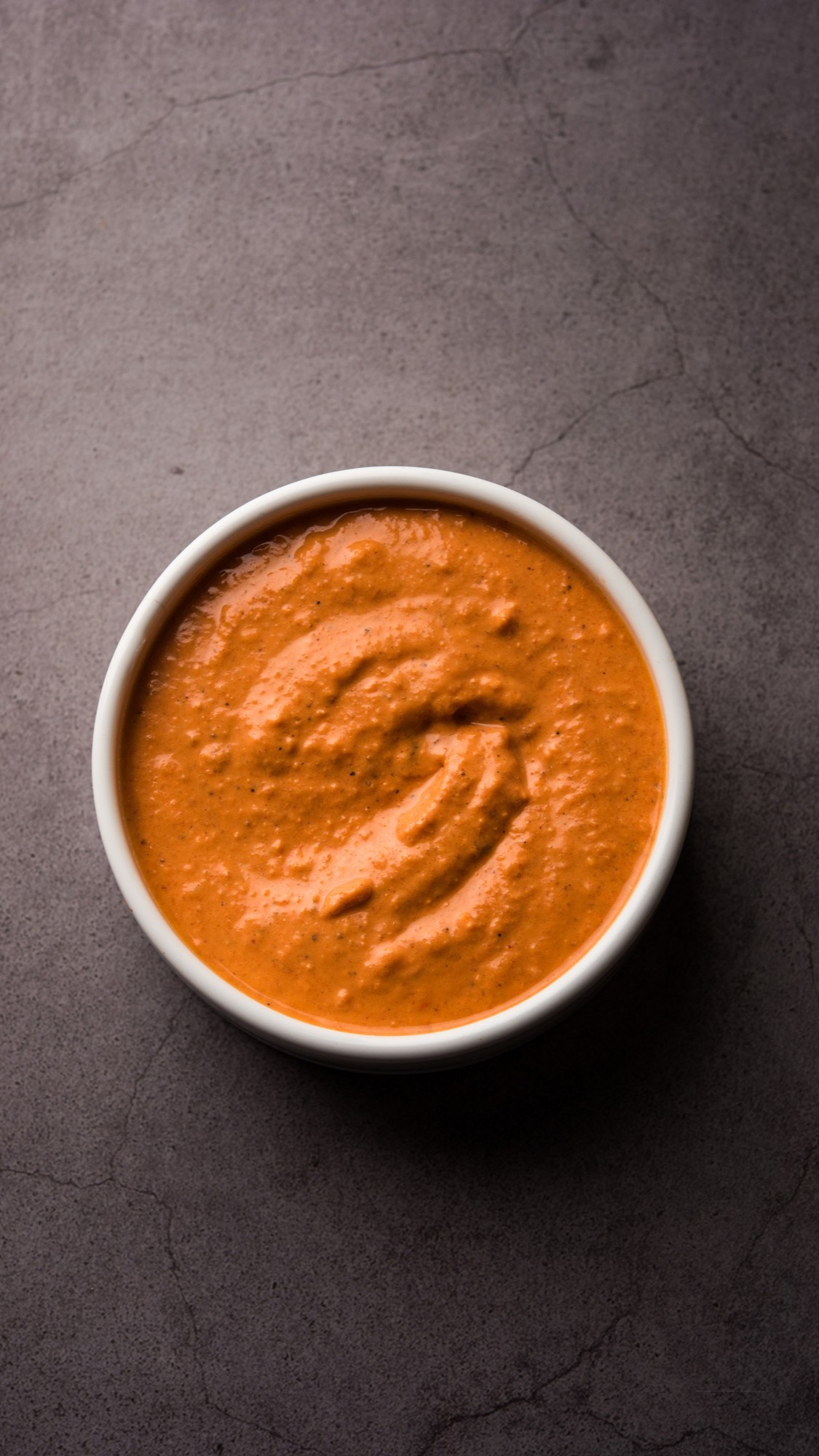
A restaurant can have a strong concept and quality ingredients yet still struggle with inconsistency when sauces are prepared or portioned differently from shift to shift. For businesses using Tandoori Sauce in multiple menu items, choosing an appropriate product and standardising its use can simplify production.
Restaurants, cafés, cloud kitchens, and snack outlets in Chrompet, Chennai, Tamil Nadu should evaluate tandoori sauce according to actual menu applications.
Decide Where It Fits on the Menu
Tandoori-style flavour profiles can be used across a variety of contemporary food formats.
Depending on the recipe and product, applications may include
- Sandwiches
- Burgers
- Wraps
- Rolls
- Grilled preparations
- Starters
- Dips
- Fusion snacks
- Selected marinades or recipe components
The exact application should determine the required flavour intensity and consistency.
Evaluate Balance, Not Just Spice
A strong sauce is not necessarily a better sauce.
Customers experience the complete dish. Bread, cheese, vegetables, proteins, seasoning, and other condiments can all change the perception of the tandoori flavour.
Conduct tastings using the final menu item rather than evaluating the sauce alone.
Test Portion Requirements
Commercial viability depends partly on how much product is required per serving.
If a mild sauce needs a very large portion to create the intended flavour, its effective cost may be higher than expected.
Conversely, using too much of an intense product can overpower other ingredients.
Establish a standard quantity during recipe development.
Consider Delivery Performance
This is particularly important for cloud kitchens.
Prepare the dish, pack it exactly as it would be for a customer, then evaluate it after a realistic delivery interval.
Check whether the sauce affects bread texture, leaks from packaging, separates, or changes the overall eating experience.
Testing under real service conditions provides much better information than tasting immediately at the kitchen counter.
Look at Pack Size and Consumption
A restaurant with several tandoori-flavoured menu items may consume sauce quickly. A small café offering one such sandwich may not.
Estimate weekly consumption before selecting pack sizes.
Commercial purchasing works best when inventory moves predictably without unnecessary overstocking.
Compare Suppliers Before Standardising
A food business ready to purchase regularly should evaluate more than price.
Consider product suitability, availability, packaging, ordering convenience, and whether the supplier can support the quantities normally required.
Venmart supplies sauces, bakery ingredients, and food essentials to commercial buyers across Chennai. Food businesses around Chrompet can evaluate tandoori sauce options according to menu format, expected consumption, and kitchen requirements.
Create a Standard Recipe Card
Once the sauce has been selected, document its use.
A recipe card can specify the sauce quantity, other ingredients, preparation sequence, portion size, and presentation standard.
This makes staff training easier and helps reduce variation.
A commercially suitable tandoori sauce should support the menu rather than dominate it. By testing flavour in the finished dish, calculating portion cost, reviewing delivery performance, and establishing a repeatable preparation method, restaurants can make a more informed purchasing decision and maintain greater consistency as order volumes grow.
Keywords