From brownies and cookies to celebration cakes and premium desserts, Nuts can contribute crunch, richness, visual appeal, and flavour. They can also represent a meaningful part of recipe cost, making careful selection important for commercial bakeries.
For bakery businesses and confectionery producers in Shenoy Nagar, Chennai, Tamil Nadu, choosing nuts should involve more than deciding which variety looks attractive.
Match the Nut to the Product
Different nuts create different eating experiences.
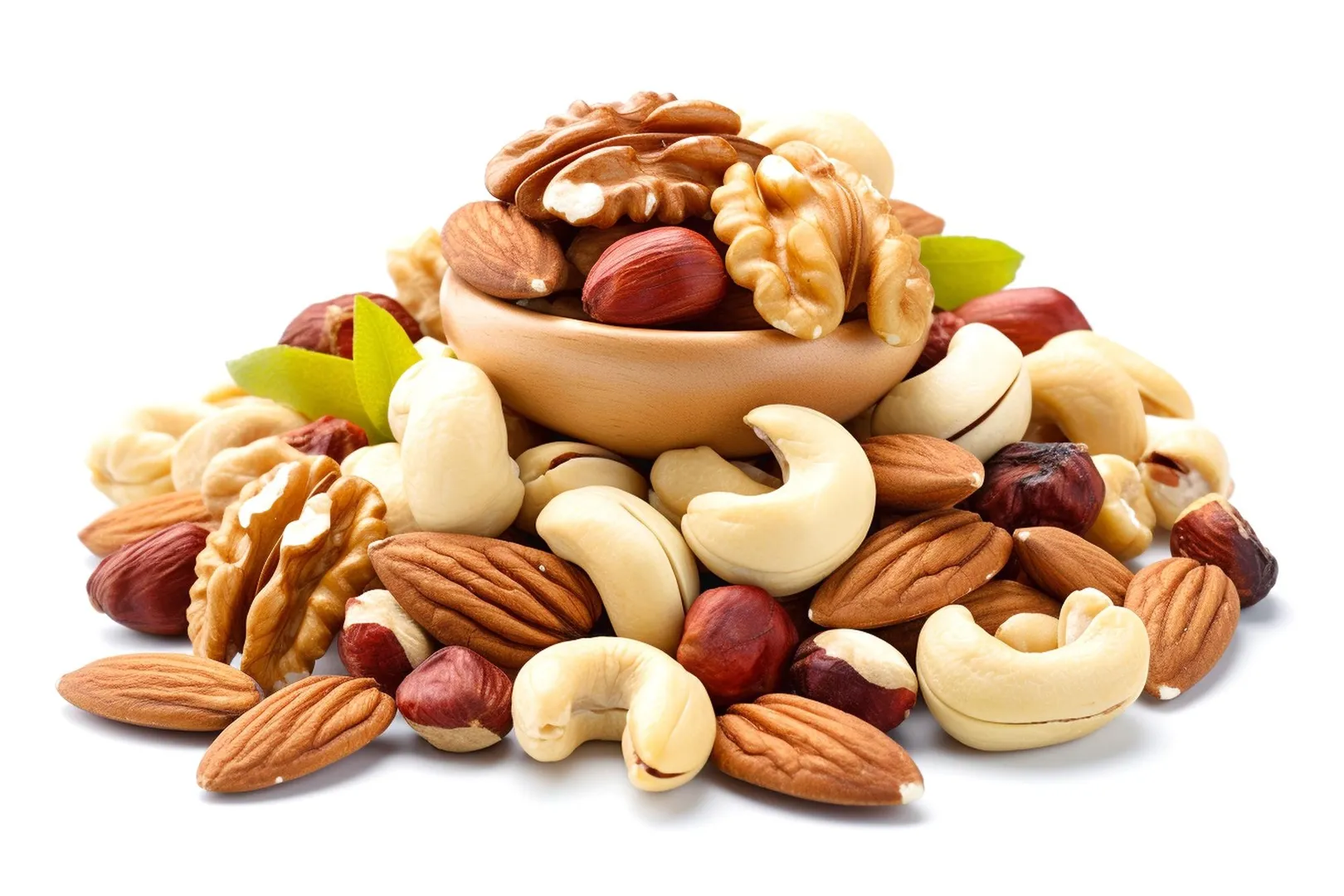
Almonds can work well in cakes, cookies, toppings, and selected confectionery. Cashews provide a different texture and flavour. Pistachios are frequently valued for their distinctive appearance and premium positioning. Walnuts are commonly associated with brownies, cakes, and certain baked desserts.
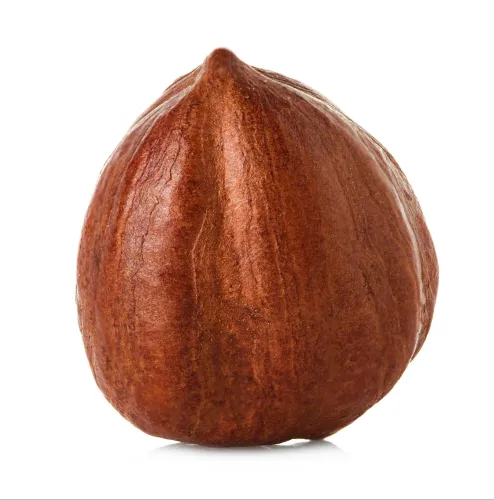
Hazelnuts have their own strong association with chocolate-based applications.
The right choice depends on what role the ingredient needs to play.
Whole, Chopped, Sliced, or Powdered?
Format affects both appearance and recipe performance.
Whole nuts can provide strong visual value but may be unsuitable for every application. Chopped pieces distribute more evenly through certain batters. Sliced nuts can be useful for decoration, while finely processed nuts may be incorporated differently into recipes.
Before buying, determine the size and format your production team actually needs.
Freshness Has a Direct Impact
Nuts contain oils that contribute significantly to their flavour. Poor storage or unsuitable stock can negatively affect taste and aroma.
Commercial buyers should inspect ingredients appropriately and follow supplier or manufacturer storage guidance.
Buying more stock than the business can reasonably use is not always economical, even when bulk pricing looks attractive.
Consider Cost Per Finished Product
Premium nuts can increase ingredient costs quickly.
Instead of looking only at the kilogram price, calculate usage per finished item.
If a brownie contains 15 grams of nuts, multiply that quantity by the ingredient cost and expected production volume. This reveals how much the ingredient contributes to the actual product cost.
The calculation can help businesses decide whether nuts should be used inside the product, as a topping, or in a combination that achieves the desired customer experience.
Reduce Unnecessary Waste
Nut wastage can occur through careless chopping, excessive garnishing, poor stock rotation, inaccurate portioning, or inappropriate storage.
Standardising recipe quantities can make a significant difference.
For decorative applications, staff can use predetermined quantities instead of adding toppings by eye. This helps maintain both appearance and food cost.
Think About Allergen Management
Nuts are important food allergens, so businesses handling them should follow applicable food-safety, hygiene, labelling, storage, and cross-contact management requirements.
Commercial kitchens should establish procedures suitable for their operation rather than treating allergen handling as an informal task.
This is particularly relevant for bakeries producing multiple product categories in the same workspace.
Compare Suppliers on More Than Price
When evaluating a supplier, consider
- Product quality
- Suitable grades and formats
- Pack sizes
- Availability
- Storage information
- Consistency between purchases
- Suitability for commercial requirements
Venmart serves bakeries, cafés, restaurants, and other food businesses seeking bakery and food ingredients in Chennai. Businesses around Shenoy Nagar can select nut varieties according to their recipes, consumption levels, and production requirements.
For commercial baking, the best ingredient is not automatically the most expensive option. It is the one that delivers the required flavour, appearance, texture, and usable yield at a cost that works for the finished product.
Keywords